

Essential Beginner Cooking Tips: Mastering the Basics with Confidence
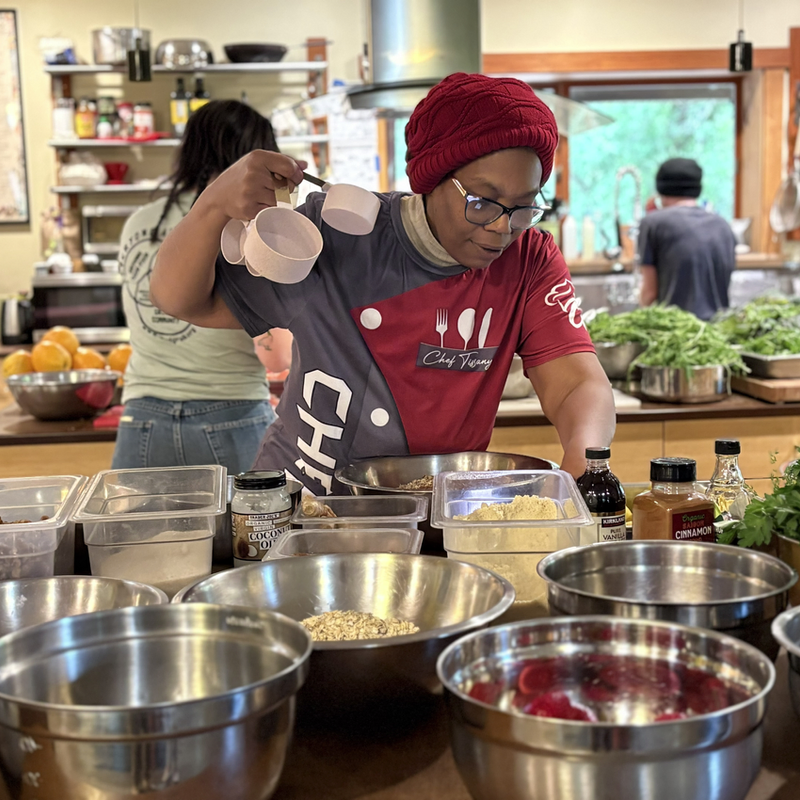
Starting your cooking journey can feel overwhelming. With so many techniques, ingredients, and recipes, it’s easy to get lost. However, mastering essential cooking skills early on will build your confidence and make cooking enjoyable. This guide will walk you through the fundamental skills every beginner should know, practical tips to improve quickly, and how to keep motivated.
Understanding Basic Cooking Techniques: Beginner Cooking Tips
Before diving into complex recipes, it’s important to understand some basic cooking techniques. These form the foundation of all cooking and will help you prepare a wide variety of dishes.
Chopping and slicing: Learning how to properly hold a knife and chop vegetables safely is crucial. Practice uniform cuts to ensure even cooking.
Boiling and simmering: Knowing the difference between boiling (rapid bubbles) and simmering (gentle bubbles) helps you cook pasta, rice, and soups perfectly.
Sautéing: This quick cooking method uses a small amount of oil over medium-high heat. It’s great for vegetables and meats.
Baking: Understanding oven temperatures and timing is key for baking bread, cakes, and casseroles.
Seasoning: Salt, pepper, herbs, and spices enhance flavor. Taste as you go and adjust seasoning gradually.
Start by practicing these techniques with simple recipes like scrambled eggs, roasted vegetables, or pasta with sauce. This builds muscle memory and confidence.

Essential Tools and Ingredients for Beginners
Having the right tools and ingredients makes cooking easier and more enjoyable. You don’t need a kitchen full of gadgets, but some basics are essential.
Must-Have Tools:
Chef’s knife: A sharp, versatile knife is your best friend.
Cutting board: Preferably one for vegetables and one for meat to avoid cross-contamination.
Measuring cups and spoons: For accuracy in recipes.
Non-stick skillet and saucepan: For sautéing and boiling.
Mixing bowls: For combining ingredients.
Wooden spoon and spatula: For stirring and flipping.
Pantry Staples:
Salt and pepper
Olive oil and vegetable oil
Garlic and onions
Dried herbs like oregano, basil, and thyme
Rice, pasta, and canned tomatoes
Stocking your kitchen with these basics means you can whip up many dishes without extra trips to the store.
Is 30 too old for culinary school?
Many people wonder if starting culinary school at 30 is too late. The answer is a resounding no. Culinary school is about passion, dedication, and willingness to learn, not age. In fact, many students in their 30s and beyond bring valuable life experience and focus that younger students may lack.
Starting culinary school later can also mean you have a clearer idea of your goals and a stronger work ethic. The food industry values skill and creativity over age. Whether you want to become a professional chef or just improve your home cooking, it’s never too late to learn.
If you’re interested, consider enrolling in cooking classes for beginners to build foundational skills before committing to a full program.

How to Practice and Improve Your Cooking Skills
Practice is the key to becoming a confident cook. Here are some actionable tips to help you improve:
Cook regularly: Aim to cook at least a few times a week. Repetition helps you learn faster.
Start simple: Choose recipes with few ingredients and basic techniques.
Follow recipes carefully: Pay attention to measurements, cooking times, and temperatures.
Taste as you go: Adjust seasoning and flavors during cooking.
Learn from mistakes: If a dish doesn’t turn out well, analyze what went wrong and try again.
Watch cooking videos: Visual demonstrations can clarify techniques better than text.
Experiment gradually: Once comfortable, try adding new ingredients or spices to familiar recipes.
Joining a local cooking group or taking cooking classes for beginners can also provide valuable feedback and motivation.
Tips for Staying Motivated and Enjoying the Process
Cooking should be fun, not stressful. Here are some ways to keep your enthusiasm high:
Set small goals: Master one skill or recipe each week.
Celebrate successes: Share your dishes with friends or family.
Keep a cooking journal: Note what worked and what didn’t.
Explore cuisines: Trying new flavors keeps things exciting.
Invest in good ingredients: Quality produce and spices make a big difference.
Create a pleasant environment: Play music, keep your kitchen tidy, and enjoy the process.
Remember, every great chef started as a beginner. Patience and persistence are your best allies.
Building a Foundation for a Lifetime of Cooking
Mastering essential cooking skills early on sets you up for a lifetime of delicious meals and culinary creativity. Whether you want to impress guests, eat healthier, or save money by cooking at home, these beginner cooking tips will help you get there.
Start with the basics, practice regularly, and don’t be afraid to ask for help or take a class. Cooking is a journey, and every step you take brings you closer to becoming the confident cook you aspire to be. Happy cooking!


Comments