top of page
Citrus

Cooking is more than just preparing meals; it is an opportunity to bond, learn, and create lasting memories. Family cooking workshops offer a unique way for families to connect while developing essential culinary skills. These workshops are designed to be engaging, educational, and fun for all ages, making them an ideal activity for families looking to spend quality time together.


Why Choose Family Cooking Workshops?


Family cooking workshops provide a structured environment where parents and children can collaborate in the kitchen. These sessions are tailored to accommodate different skill levels, ensuring that everyone from toddlers to adults can participate comfortably.


Some key benefits include:


  • Strengthening family bonds: Cooking together encourages communication and teamwork.

  • Teaching healthy eating habits: Families learn to prepare nutritious meals from scratch.

  • Building confidence: Kids gain independence and pride in their cooking abilities.

  • Encouraging creativity: Experimenting with recipes sparks imagination and problem-solving.


For example, a workshop might focus on making homemade pasta, where each family member has a role, from kneading dough to shaping noodles. This hands-on approach makes learning enjoyable and memorable.


Eye-level view of a family cooking workshop with parents and children preparing dough
Family cooking workshop in action

What to Expect in Family Cooking Workshops


Family cooking workshops typically last between 1.5 to 3 hours and cover a variety of cuisines and cooking techniques. Here’s what you can expect:


  1. Introduction and safety briefing: Instructors explain kitchen safety rules and the recipe for the day.

  2. Hands-on cooking: Families work together to prepare dishes, guided by professional chefs.

  3. Tasting and sharing: Participants enjoy the meals they’ve made, often sharing stories and feedback.

  4. Take-home recipes: Families receive printed recipes to recreate the dishes at home.


Workshops often include interactive elements such as food trivia, ingredient identification, and plating tips. This keeps the experience lively and educational.


How to Find the Right Family Cooking Workshops


Choosing the right workshop depends on your family’s interests, dietary needs, and schedule. Here are some tips to help you find the perfect fit:


  • Check local community centers and cooking schools: Many offer family-friendly sessions.

  • Look for workshops with flexible age ranges: Some cater to children as young as 3, while others are better suited for older kids.

  • Consider dietary preferences: Vegan, gluten-free, or allergy-friendly classes ensure everyone can participate safely.

  • Read reviews and ask for recommendations: Feedback from other families can guide your choice.


If you want to explore options online, you can find a variety of cooking classes for families that offer virtual or in-person experiences.


Close-up view of colorful fresh vegetables and cooking utensils on a kitchen counter
Ingredients prepared for family cooking workshop

Tips for Making the Most of Family Cooking Workshops


To maximize the benefits of family cooking workshops, consider these practical tips:


  • Arrive prepared: Wear comfortable clothing and bring any necessary items like aprons or water bottles.

  • Encourage participation: Let each family member take on tasks suited to their age and skill level.

  • Ask questions: Engage with instructors to learn cooking techniques and nutrition facts.

  • Practice at home: Use the recipes and skills learned to cook together regularly.

  • Be patient and have fun: Mistakes are part of the learning process and can lead to laughter and creativity.


By actively engaging in the workshop, families can create a positive and supportive cooking environment that extends beyond the class.


Beyond Cooking: The Lasting Impact of Family Cooking Workshops


Family cooking workshops do more than teach culinary skills; they foster lifelong habits and values. Children who participate in cooking activities tend to develop better eating habits and a greater appreciation for food. Parents often notice improved communication and cooperation within the family.


Moreover, these workshops can inspire a love for cultural diversity by introducing families to international cuisines and cooking traditions. This broadens horizons and encourages open-mindedness.


Incorporating cooking into family routines can also reduce reliance on processed foods and takeout, promoting healthier lifestyles. The shared experience of preparing and enjoying meals together strengthens emotional connections and creates cherished memories.


Whether you are looking to improve your family’s nutrition, spend quality time together, or simply have fun, family cooking workshops offer a rewarding and enriching experience.


Engaging in family cooking workshops is a wonderful way to bring everyone closer while learning valuable skills. By choosing the right workshop and embracing the experience, families can enjoy delicious food and meaningful moments together. Explore local options or online platforms to find the perfect fit and start your culinary adventure today!


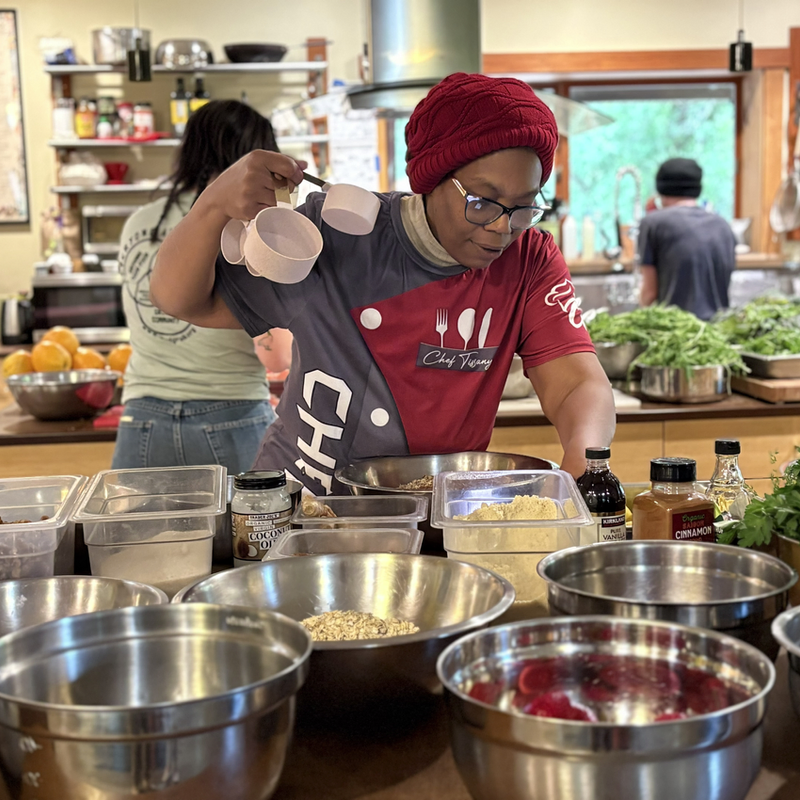
Cooking can be a rewarding and creative experience, but many home cooks struggle to take their skills beyond the basics. If you want to learn new techniques, explore exciting recipes, and gain confidence in the kitchen, Chef Tissany’s cooking class on Class Pop offers a perfect opportunity. This class is designed to help you improve your culinary skills step by step, whether you are a beginner or looking to refine your expertise.


Why Choose Chef Tissany’s Cooking Class?


Chef Tissany brings a unique blend of passion, experience, and approachable teaching style to the kitchen. Her classes focus on practical skills that you can apply immediately, making cooking enjoyable and less intimidating. Here’s what sets her class apart:


  • Hands-on learning: You get to cook along with Chef Tissany, practicing techniques in real time.

  • Clear instructions: Complex recipes are broken down into simple steps.

  • Diverse recipes: From comfort food to international dishes, you’ll explore a variety of flavors.

  • Personalized tips: Chef Tissany offers advice tailored to your skill level and preferences.


This combination helps you build a solid foundation and encourages creativity in your cooking.


What You Will Learn in the Class


The class covers essential cooking skills and introduces you to exciting recipes. Some highlights include:


  • Knife skills: Learn how to chop, dice, and slice efficiently and safely.

  • Flavor building: Understand how to balance spices, herbs, and seasoning.

  • Cooking techniques: Master sautéing, roasting, and simmering with confidence.

  • Plating and presentation: Discover simple ways to make your dishes look as good as they taste.


For example, you might prepare a classic chicken dish with a twist, learning how to marinate and cook it to juicy perfection. Or you could try a vibrant vegetable stir-fry that teaches you timing and heat control.


How Class Pop Makes Learning Easy and Fun


Class Pop is an online platform that connects you with expert chefs like Chef Tissany. It offers a user-friendly interface that makes joining and participating in classes simple. Here’s how it works:


  • Flexible scheduling: Choose a class time that fits your calendar.

  • Interactive sessions: Ask questions and get feedback during the live class.

  • Access to recipes: Download recipes and ingredient lists before class.

  • Community support: Connect with other cooking enthusiasts to share tips and experiences.


This setup allows you to learn at your own pace and revisit lessons whenever you want.


Tips to Get the Most Out of Your Cooking Class


To maximize your learning experience, consider these practical tips:


  • Prepare your kitchen: Gather all ingredients and tools before class starts.

  • Take notes: Write down key points and personal observations.

  • Practice regularly: Try the recipes again on your own to build muscle memory.

  • Experiment: Use what you learn to create your own variations.

  • Stay curious: Ask questions and explore new ingredients or cuisines.


By actively engaging, you’ll see faster improvement and enjoy cooking even more.


Who Should Join Chef Tissany’s Cooking Class


This class is ideal for anyone who wants to improve their cooking skills in a supportive environment. Whether you are:


  • A beginner eager to learn basic techniques

  • A home cook looking to expand your recipe collection

  • Someone who enjoys cooking as a hobby and wants to get better

  • Interested in healthy, flavorful meals made from scratch


Chef Tissany’s class offers valuable lessons that suit a wide range of interests and skill levels.


Next Steps to Start Cooking Like a Pro


Ready to take your cooking to the next level? Visit Chef Tissany’s page on Class Pop here to explore available classes and sign up. With each session, you’ll gain new skills, confidence, and inspiration to create delicious meals at home.


Cooking is a skill that grows with practice and guidance. By learning from a skilled chef in a friendly online setting, you open the door to countless culinary possibilities. Start your journey today and enjoy the satisfaction of making meals that impress and nourish.


Starting your cooking journey can feel overwhelming. With so many techniques, ingredients, and recipes, it’s easy to get lost. However, mastering essential cooking skills early on will build your confidence and make cooking enjoyable. This guide will walk you through the fundamental skills every beginner should know, practical tips to improve quickly, and how to keep motivated.


Understanding Basic Cooking Techniques: Beginner Cooking Tips


Before diving into complex recipes, it’s important to understand some basic cooking techniques. These form the foundation of all cooking and will help you prepare a wide variety of dishes.


  • Chopping and slicing: Learning how to properly hold a knife and chop vegetables safely is crucial. Practice uniform cuts to ensure even cooking.

  • Boiling and simmering: Knowing the difference between boiling (rapid bubbles) and simmering (gentle bubbles) helps you cook pasta, rice, and soups perfectly.

  • Sautéing: This quick cooking method uses a small amount of oil over medium-high heat. It’s great for vegetables and meats.

  • Baking: Understanding oven temperatures and timing is key for baking bread, cakes, and casseroles.

  • Seasoning: Salt, pepper, herbs, and spices enhance flavor. Taste as you go and adjust seasoning gradually.


Start by practicing these techniques with simple recipes like scrambled eggs, roasted vegetables, or pasta with sauce. This builds muscle memory and confidence.


Close-up view of chopping board with sliced vegetables
Chopping vegetables on a wooden board

Essential Tools and Ingredients for Beginners


Having the right tools and ingredients makes cooking easier and more enjoyable. You don’t need a kitchen full of gadgets, but some basics are essential.


Must-Have Tools:

  • Chef’s knife: A sharp, versatile knife is your best friend.

  • Cutting board: Preferably one for vegetables and one for meat to avoid cross-contamination.

  • Measuring cups and spoons: For accuracy in recipes.

  • Non-stick skillet and saucepan: For sautéing and boiling.

  • Mixing bowls: For combining ingredients.

  • Wooden spoon and spatula: For stirring and flipping.


Pantry Staples:

  • Salt and pepper

  • Olive oil and vegetable oil

  • Garlic and onions

  • Dried herbs like oregano, basil, and thyme

  • Rice, pasta, and canned tomatoes


Stocking your kitchen with these basics means you can whip up many dishes without extra trips to the store.


Is 30 too old for culinary school?


Many people wonder if starting culinary school at 30 is too late. The answer is a resounding no. Culinary school is about passion, dedication, and willingness to learn, not age. In fact, many students in their 30s and beyond bring valuable life experience and focus that younger students may lack.


Starting culinary school later can also mean you have a clearer idea of your goals and a stronger work ethic. The food industry values skill and creativity over age. Whether you want to become a professional chef or just improve your home cooking, it’s never too late to learn.


If you’re interested, consider enrolling in cooking classes for beginners to build foundational skills before committing to a full program.


Eye-level view of a kitchen counter with cooking utensils and ingredients
Basic cooking utensils and ingredients on kitchen counter

How to Practice and Improve Your Cooking Skills


Practice is the key to becoming a confident cook. Here are some actionable tips to help you improve:


  1. Cook regularly: Aim to cook at least a few times a week. Repetition helps you learn faster.

  2. Start simple: Choose recipes with few ingredients and basic techniques.

  3. Follow recipes carefully: Pay attention to measurements, cooking times, and temperatures.

  4. Taste as you go: Adjust seasoning and flavors during cooking.

  5. Learn from mistakes: If a dish doesn’t turn out well, analyze what went wrong and try again.

  6. Watch cooking videos: Visual demonstrations can clarify techniques better than text.

  7. Experiment gradually: Once comfortable, try adding new ingredients or spices to familiar recipes.


Joining a local cooking group or taking cooking classes for beginners can also provide valuable feedback and motivation.


Tips for Staying Motivated and Enjoying the Process


Cooking should be fun, not stressful. Here are some ways to keep your enthusiasm high:


  • Set small goals: Master one skill or recipe each week.

  • Celebrate successes: Share your dishes with friends or family.

  • Keep a cooking journal: Note what worked and what didn’t.

  • Explore cuisines: Trying new flavors keeps things exciting.

  • Invest in good ingredients: Quality produce and spices make a big difference.

  • Create a pleasant environment: Play music, keep your kitchen tidy, and enjoy the process.


Remember, every great chef started as a beginner. Patience and persistence are your best allies.


Building a Foundation for a Lifetime of Cooking


Mastering essential cooking skills early on sets you up for a lifetime of delicious meals and culinary creativity. Whether you want to impress guests, eat healthier, or save money by cooking at home, these beginner cooking tips will help you get there.


Start with the basics, practice regularly, and don’t be afraid to ask for help or take a class. Cooking is a journey, and every step you take brings you closer to becoming the confident cook you aspire to be. Happy cooking!


Subscribe Form

Thanks for submitting!

©2024 by onyiyechi. Proudly created with Wix.com

  • Facebook
  • Twitter
  • LinkedIn
bottom of page