

Cooking for One Made Simple Flavorful and Fulfilling
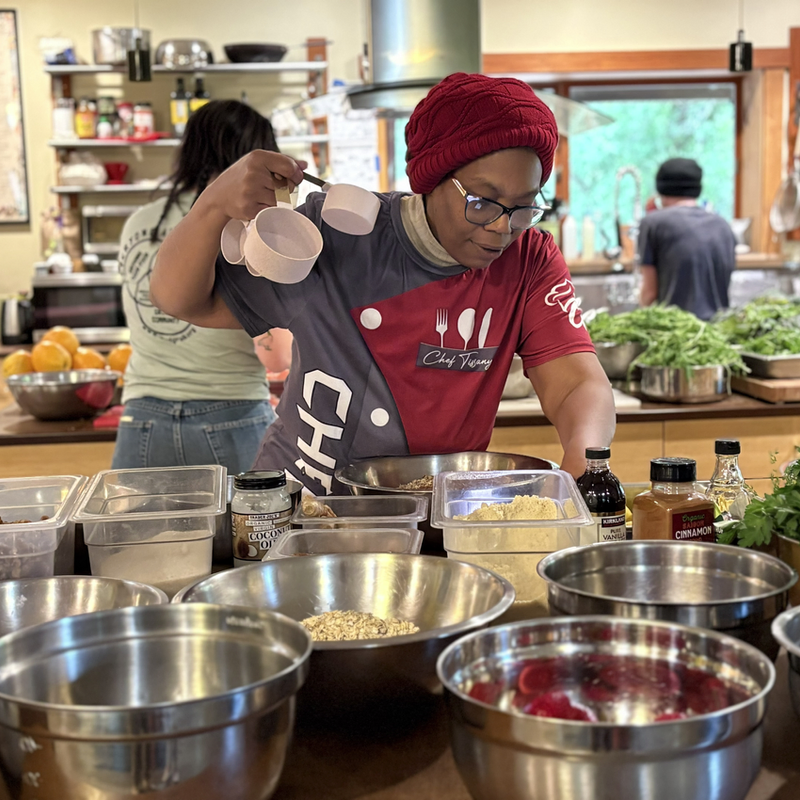
Cooking for one can feel strangely complicated. A recipe makes four servings, the produce drawer fills faster than expected, and one long day can turn dinner into toast over the sink. Yet solo meals can also be deeply satisfying. They can be flexible, creative, comforting, and personal in a way that cooking for a crowd rarely is.
Chef Tissany Gilmore of Onyiyechi Culinary brings that perspective to her published JOLT article, “Cooking for One: Making Mealtime Matter Again.” As a private chef, culinary educator, and food writer, she approaches food as more than fuel. Food connects people to culture, health, memory, and community. That connection still matters when the table is set for one.
Cooking alone does not have to mean cooking less beautifully. It only asks for a different rhythm.

Cooking for one deserves care and attention
Many people treat solo meals as an afterthought. If no one else is eating, the meal can feel less official. That mindset makes it easy to skip dinner, graze all evening, or repeat the same safe meal until it becomes boring.
But mealtime still shapes the day. A warm bowl of soup after work, a simple omelet with greens, or a small plate of rice and beans can create a moment of pause. It can help mark the shift from work to rest. It can also bring back pleasure, especially for people who have grown tired of cooking.
Making mealtime matter does not mean making it complicated. It means giving the meal enough attention to make it enjoyable.
That might look like:
Sitting down instead of standing at the counter
Using a real plate or bowl
Adding one fresh ingredient for color or crunch
Playing music while cooking
Lighting a candle, even for a quick dinner
Saving a favorite sauce, spice blend, or garnish for weeknight meals
These small choices send a clear message. The meal counts.
Chef Gilmore’s work often centers on practical cooking, food access, seasonal ingredients, and everyday enjoyment. That mix matters here. Solo cooking should not require expensive ingredients or hours in the kitchen. It should help real life feel more nourished.
Start with ingredients that can become many meals
One common challenge with cooking for one is waste. A full bunch of herbs, a bag of greens, or a loaf of bread can feel like too much. The answer is not to stop buying fresh food. The answer is to choose ingredients that can move through several meals without feeling repetitive.
Think in building blocks rather than full recipes. A few flexible ingredients can turn into several different plates over the week.
A helpful solo cooking base might include:
A cooked grain such as rice, farro, quinoa, or couscous
One protein such as eggs, beans, tofu, chicken, fish, or lentils
Two vegetables, one sturdy and one quick-cooking
A sauce, dressing, or condiment
Something crunchy or fresh for finishing
With that mix, dinner becomes easier. Rice can become a grain bowl one night, fried rice the next, and a simple side for fish or beans later in the week. Roasted vegetables can fill tacos, top toast, or round out a soup.
The goal is not to meal prep every bite into identical containers. That works for some people, but many prefer variety. Component cooking gives more freedom. It keeps the effort low while leaving room for mood, appetite, and creativity.
For example, a tray of roasted carrots, onions, and sweet potatoes can go in several directions:
Spoon over yogurt with herbs and warm spices
Tuck into a tortilla with greens and hot sauce
Serve with an egg and toast
Add to a bowl with lentils and vinaigrette
Blend into soup with broth and coconut milk
Toss with pasta, olive oil, and cheese
This approach keeps cooking manageable. It also makes leftovers feel less like leftovers.

Make portions manageable without losing variety
Most recipes serve several people. That can be useful if leftovers are welcome, but it can also lead to fatigue. Eating the same casserole four nights in a row rarely feels inspiring.
A better approach is to learn where to scale down and where to cook once for later.
Some foods are worth making in small amounts:
Salads with tender greens
Seafood
Quick sautés
Toasts and sandwiches
Eggs
Small pasta dishes
Other foods reward a larger batch:
Soups
Stews
Beans
Sauces
Cooked grains
Roasted vegetables
Braised meats or hearty plant-based proteins
The freezer can help, but only if it is used with care. Freeze food in single portions, label it clearly, and choose containers that make reheating easy. A large frozen block of soup is not helpful when dinner is needed quickly. A one-serving container is.
Portion planning also starts at the store. Buying from bulk bins, butcher counters, fish counters, or loose produce sections can help match the amount to the need. When that is not available, choose ingredients with longer lives. Cabbage, carrots, onions, winter squash, potatoes, eggs, dried beans, lentils, rice, oats, and frozen vegetables can support many meals without pressure.
Fresh herbs can be tricky for solo cooks, but they do not have to wilt unused. Parsley can go into salads, soups, eggs, and grain bowls. Cilantro can brighten beans, tacos, noodles, and dressings. Basil can become pesto or be torn over tomatoes, pasta, and eggs. If herbs are fading, chop them into softened butter, stir them into yogurt, or blend them with oil and lemon.
Variety often comes from finishing touches. A pantry with a few flavorful extras can change the same base into a new meal.
Useful options include:
Toasted nuts or seeds
Chili crisp or hot sauce
Pickled onions or pickles
Lemon or lime
Mustard
Vinegar
Soy sauce or tamari
Miso
Tahini
Curry powder
Smoked paprika
Parmesan or nutritional yeast
A bowl of beans and rice can taste completely different with lime and cilantro, tomato and smoked paprika, or tahini and roasted vegetables. That is the pleasure of cooking for one. The meal can follow personal taste without negotiation.
Let leftovers work without feeling repetitive
Leftovers have a reputation problem. They can feel like a backup plan, something eaten because it is there. Yet leftovers can become the starting point for some of the best solo meals.
The trick is to change form, texture, or temperature.
Cold roasted chicken can become chicken salad with celery and herbs. It can also go into soup, tacos, fried rice, pasta, or a warm sandwich. Cooked vegetables can be folded into eggs, blended into sauce, or layered over toast. A scoop of beans can thicken soup, fill a wrap, or top a baked potato.
A good leftover plan asks one question. What can this become next?
Here are a few simple transformations:
Cooked grains Turn them into fried rice, grain bowls, crispy skillet cakes, or breakfast porridge.
Roasted vegetables Add them to pasta, soup, omelets, tacos, or blended dips.
Beans or lentils Use them in salads, stews, wraps, spreads, or bowls.
Extra greens Stir them into soup, sauté with garlic, blend into pesto, or add to eggs.
Bread nearing the end Make croutons, toast, bread crumbs, strata, or panzanella-style salad.
Leftovers are also a chance to reduce waste without giving up enjoyment. That matters for home budgets and for the emotional side of cooking. Throwing away food can feel discouraging. Using it well builds confidence.
A simple “use first” spot in the refrigerator helps. Place the most perishable items at eye level. Put cut vegetables, cooked grains, and sauces where they can be seen. If food is hidden, it is easy to forget. If it is visible, it suggests dinner.

Bring purpose back to the everyday meal
Food connects people to community even when a meal is eaten alone. A pot of beans may echo family tradition. A spice blend may recall a market, a neighbor, a holiday, or a place once called home. A seasonal vegetable can connect dinner to the time of year. These connections give food meaning beyond convenience.
Chef Gilmore’s broader work as a culinary educator reflects this idea. Cooking skills are not just technical. They are tied to access, confidence, culture, and care. A person who knows how to make a satisfying meal from what is available has more than a recipe. They have a tool for daily life.
For solo meals, purpose can be simple. It might mean cooking with a seasonal ingredient once a week. It might mean learning one dish from a family member. It might mean keeping a few reliable meals ready for hard days.
The best solo meals often come from honest routines, not perfect plans.
Try choosing three types of meals to keep in rotation:
A comfort meal Something warm, familiar, and low effort.
A fresh meal Something with crisp vegetables, herbs, citrus, or a bright dressing.
A pantry meal Something made mostly from shelf-stable or frozen ingredients.
This creates balance. On a tired night, the comfort meal helps. When cooking feels stale, the fresh meal wakes it up. When groceries are low, the pantry meal prevents another skipped dinner.
A sample week does not need to be strict. It can be more like a set of possibilities:
Day | Simple solo meal idea |
Monday | Rice bowl with roasted vegetables, egg, and chili crisp |
Tuesday | Lentil soup with toast and a green salad |
Wednesday | Pasta with greens, garlic, lemon, and cheese |
Thursday | Tacos with beans, cabbage, salsa, and avocado |
Friday | Omelet with herbs and leftover vegetables |
Saturday | Pan-seared fish or tofu with couscous and cucumber salad |
Sunday | Soup or stew for dinner, with extra portions frozen |
This kind of plan leaves space for appetite and mood. It also removes the daily question of where to begin.
Small rituals make meals feel complete
A solo meal can be quick and still feel cared for. Ritual helps with that. It marks the meal as a real part of the day rather than an interruption.
The ritual does not have to be fancy. It can be washing herbs and placing them in a glass of water. It can be setting out a cloth napkin. It can be tasting the food before serving and adding acid, salt, or heat. It can be taking five minutes to sit down without a screen.
These details matter because they build a relationship with cooking. Instead of seeing meals as chores, they become small acts of maintenance and pleasure.
A few easy rituals can make cooking for one more fulfilling:
Keep one favorite bowl or plate within reach
Add a garnish, even if it is only black pepper or lemon zest
Store sauces in small jars so they feel ready to use
Clean as food cooks so the end feels calm
Save one meal each week for trying something new
Repeat meals that feel good, without guilt
Cooking for one is also a chance to learn personal preference. Maybe dinner feels better earlier. Maybe breakfast for dinner is comforting. Maybe spicy food makes weeknights brighter. Maybe soup is the anchor meal for the week. Cooking alone creates room to notice those things.

A meal for one can still be generous
Cooking for one is not a lesser version of cooking. It is its own skill. It asks for flexibility, smart portions, creative leftovers, and a willingness to treat personal meals with respect.
Chef Tissany Gilmore’s JOLT article, “Cooking for One: Making Mealtime Matter Again,” speaks to that everyday need. It reminds us that food can nourish more than hunger. It can restore rhythm, carry culture, reduce waste, and bring pleasure back to the table.
For the full original piece, visit JOLT and look for Chef Tissany Gilmore’s article, “Cooking for One: Making Mealtime Matter Again.”
Start small tonight. Choose one ingredient you already have, add one fresh touch, and sit down for the meal. A table for one can still be abundant.


Comments